 Introduction
Choosing the right excavator is not only about digging power, bucket size, or engine performance. Weight matters just as much. The mini excavator weight affects transportation, fuel use, ground pressure, jobsite safety, and overall operating efficiency. If the machine is too light, it may not provide enough stability for deeper digging or heavy attachments. If it is too heavy, it may damage lawns, driveways, or soft ground and may require a larger trailer for transport.
Many buyers and contractors ask, how much does an excavator weigh before renting or purchasing one. The answer depends on machine class, model, attachments, fuel capacity, and working configuration. This guide explains typical weight ranges, why they matter, and how to choose the best size for your work.
What Is Mini Excavator Weight?
Mini excavator weight usually refers to the operating weight of the machine. Operating weight includes the excavator itself, standard bucket, operator, fuel, hydraulic oil, and other necessary fluids. This is the most useful number because it shows what the machine actually weighs during normal work.
A mini excavator is generally smaller than a standard excavator and is designed for tight spaces, light construction, landscaping, trenching, utility work, farm use, and residential projects. These machines are popular because they offer strong digging performance while remaining easier to transport and operate than large excavators.
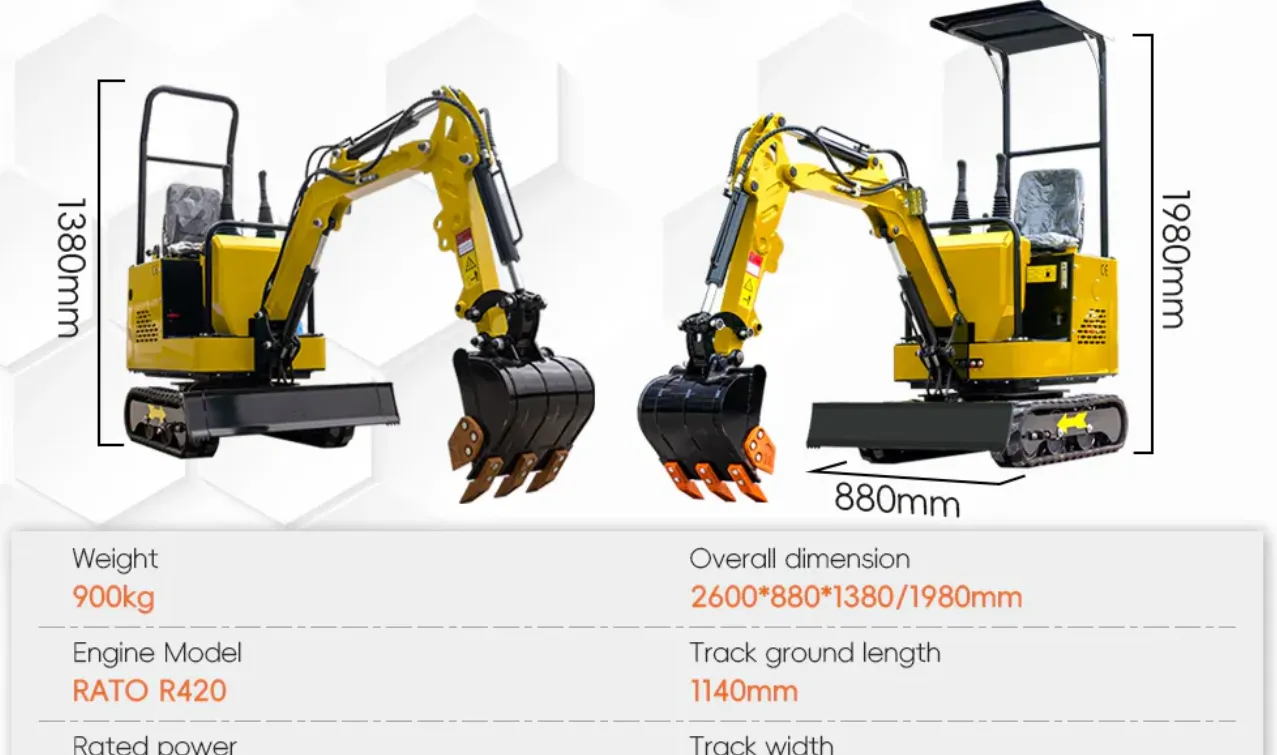
Typical mini excavators can range from about 1 ton to 10 tons, depending on the model and purpose. Smaller machines are easier to move and gentler on the ground, while heavier models offer better digging depth, lifting capacity, and stability.
How Much Does an Excavator Weigh by Size?
When people ask how much does an excavator weigh, the answer depends on the category. Excavators are available in several weight classes, from compact machines to large construction equipment.
Here is a simple breakdown:
- Micro excavators: Around 1 to 2 tons
- Small mini excavators: Around 2 to 4 tons
- Standard mini excavators: Around 4 to 6 tons
- Large mini excavators: Around 6 to 10 tons
- Standard excavators: Often 10 to 45 tons or more
- Large excavators: Can exceed 45 tons for heavy construction and mining
For homeowners, landscapers, small contractors, and farm users, mini models are usually the most practical choice. They are compact enough for narrow areas but powerful enough for digging, grading, trenching, and material handling.
Why Excavator Weight Matters
The excavator weight affects more than just transportation. It directly influences how the machine performs on the jobsite.
1. Transportation Requirements
A heavier machine needs a stronger trailer and a towing vehicle with higher capacity. Before moving an excavator, you should check:
- Machine operating weight
- Trailer load rating
- Truck towing capacity
- Attachment weight
- Local transport rules
Choosing a machine without checking these details can lead to unsafe towing, legal problems, or equipment damage.
2. Ground Pressure and Surface Protection
Lighter excavators are better for lawns, gardens, paved areas, and finished surfaces. Heavier machines may leave deeper track marks, especially on wet or soft soil. Rubber tracks can reduce surface damage, but total machine weight still matters.
For landscaping, residential work, and indoor demolition, a compact unit is often the safer choice.
3. Stability and Safety
A heavier excavator is usually more stable when digging deep trenches or lifting materials. However, extra weight does not always mean better safety. Operators must still follow load limits, use proper attachments, and avoid working on steep slopes without caution.
The right balance between size, power, and stability is important.
4. Fuel Use and Operating Cost
In general, heavier machines consume more fuel. They may also have higher maintenance costs because of larger engines, hydraulic systems, and undercarriage components. A smaller excavator can save money if the job does not require heavy digging power.
Factors That Affect Mini Excavator Weight
Several factors can change the final weight of a mini excavator.
Machine Size and Frame
Larger frames require more steel, bigger tracks, stronger arms, and larger hydraulic systems. This naturally increases weight. A 1-ton machine may be easy to move through gates, while a 6-ton model offers much more strength for demanding work.
Attachments
Attachments can add significant weight. Common options include:
- Digging buckets
- Hydraulic breakers
- Augers
- Grapples
- Rippers
- Tilt buckets
- Compaction wheels
Always include attachment weight when planning transport or checking lifting capacity.
Cab or Canopy
A fully enclosed cab usually adds more weight than an open canopy. However, a cab provides better comfort, weather protection, and operator safety.
Tracks
Rubber tracks are common on mini excavators because they reduce surface damage. Steel tracks are stronger for rough terrain but may increase weight and damage paved surfaces more easily.
Fuel and Fluids
Fuel, hydraulic oil, coolant, and lubricants also contribute to operating weight. This is why the operating weight is more accurate than the dry weight.
Choosing the Right Excavator Weight for Your Project
The best machine depends on the work environment and task type.
For home landscaping, small trenching, garden work, and light digging, a 1–2 ton mini excavator is often enough. It is easy to move, fits narrow spaces, and causes less ground damage.
For utility work, drainage, small foundations, and farm projects, a 2–4 ton machine usually provides a good balance of power and mobility.
For construction, heavier grading, and deeper digging, a 4–6 ton model may be more suitable. It provides better reach, lifting strength, and stability.
For commercial projects, large landscaping, and demanding excavation, a 6–10 ton mini excavator can deliver stronger performance while still being more compact than a full-size excavator.
Mini Excavator Weight and Trailer Selection
Before transporting a mini excavator, calculate the total loaded weight. This should include:
- Excavator operating weight
- Bucket or attachment weight
- Trailer weight
- Fuel and fluids
- Extra tools or accessories
Never rely only on the machine’s base weight. If the total weight exceeds the trailer or truck rating, transportation becomes unsafe. A good rule is to choose a trailer with a capacity higher than your expected load.
Common Jobs for Different Mini Excavator Sizes
1–2 Ton Machines
Best for:
- Backyard work
- Small trenching
- Garden renovation
- Tight access areas
- Light demolition
2–4 Ton Machines
Best for:
- Drainage work
- Fence post digging
- Small utility installation
- Farm maintenance
- Landscaping projects
4–6 Ton Machines
Best for:
- Foundation preparation
- Roadside work
- Deeper trenching
- Grading
- Medium construction jobs
6–10 Ton Machines
Best for:
- Commercial landscaping
- Heavy trenching
- Larger earthmoving tasks
- Construction site support
- Stronger lifting applications
How to Check the Exact Excavator Weight
To find the exact weight, check the manufacturer’s specification sheet or operator manual. Look for the term “operating weight.” This is the figure you should use for job planning, transport, and safety checks.
You can also check the machine plate, dealer information, or product page. If attachments are included, confirm their individual weights as well.
Conclusion
Understanding mini excavator weight helps you choose the right machine for your project, transport it safely, and avoid unnecessary costs. A lighter model is ideal for residential work, landscaping, and tight spaces, while a heavier model offers more digging depth, lifting power, and stability for demanding jobs. Before buying or renting, always check the operating weight, trailer capacity, attachment weight, and jobsite conditions.
If you are still asking how much does an excavator weigh, remember that there is no single answer. It depends on the size class, design, attachments, and working setup. The best choice is the machine that gives you enough power without creating transport or site access problems.
FAQ
1. What is the average mini excavator weight?
The average mini excavator weight usually ranges from 1 ton to 10 tons. Smaller models are easier to transport, while heavier models provide more digging force and stability.
2. How much does an excavator weigh for residential work?
For residential projects, most machines weigh between 1 and 4 tons. This size is suitable for landscaping, trenching, drainage, and small digging jobs.
3. Why is excavator weight important?
Excavator weight affects transport, ground pressure, stability, fuel use, and jobsite safety. Choosing the wrong weight class can increase costs and make the machine harder to use.
4. Can a pickup truck tow a mini excavator?
Some small mini excavators can be towed with a properly rated pickup truck and trailer. However, you must check the combined weight of the excavator, trailer, attachments, and equipment before towing.
5. Does attachment weight matter?
Yes. Buckets, breakers, augers, grapples, and other tools add extra weight. Always include attachment weight when planning transport or checking machine capacity.