For decades, a widely held belief in neuroscience was that humans were born with all the brain cells they would ever have — and that after early childhood, no new neurons were formed. This idea shaped much of how scientists thought about brain ageing, memory loss, and cognitive decline. However, recent research is overturning that long‑accepted notion. A landmark study has now shown that the adult human brain continues to grow new cells — even into the 80s — and this capacity may help some older adults maintain sharp memory and cognitive function, defying conventional expectations about ageing.
Neurogenesis in the Adult Brain: A Revolutionary Finding
The term neurogenesis refers to the growth of new neurons. For many years, scientists debated whether neurogenesis occurred in adult humans at all. While early research in the late 1990s suggested that new nerve cells could be created throughout life, subsequent studies offered conflicting results, leaving the question unsettled. Recent advances in genetic and single‑cell analysis have now provided much stronger evidence that neurogenesis persists in at least one region of the adult brain: the hippocampus, a structure crucial for learning and memory.
In the latest study, researchers analysed hundreds of thousands of individual cells from human hippocampus samples spanning a wide range of ages — from young adults to healthy elderly individuals, people diagnosed with Alzheimer’s disease, and so‑called “SuperAgers” who retain exceptional memory in old age. What they found was striking: neural stem cells and immature neurons are still present and active even in the brains of healthy individuals in their 80s. This shows that the adult brain retains a capacity for cell renewal far longer than previously believed.
Why This Matters for Ageing and Memory
One of the most surprising aspects of this research is the link it reveals between neurogenesis and cognitive performance. In healthy older adults — including those in their 80s — neurogenesis continued, albeit at a slower pace than in childhood, and it appeared to support memory and learning functions. By contrast, in individuals with Alzheimer’s disease, the process of forming new neurons was markedly reduced. Although neural stem cells were still present in these brains, their ability to mature into functional neurons appeared compromised.
This distinction helps explain why some older adults maintain impressive cognitive sharpness while others experience age‑related decline. For a small group of elderly people known as SuperAgers, memory performance remains comparable to individuals decades younger. Researchers found that SuperAgers not only had more newborn neurons in hippocampal tissue but also exhibited unique patterns of gene activity and cellular support mechanisms that may underlie their exceptional cognitive resilience.
Understanding ‘SuperAging’
The concept of “SuperAgers” has attracted significant interest because it challenges assumptions about inevitable cognitive decline. These individuals — often aged 80 or older — perform cognitively like people 20 to 30 years younger. In addition to producing new neurons longer into life, SuperAgers also show distinct cellular and genetic signatures that differentiate their brains from typical elderly adults. Their brains were found to have up to two to two‑and‑a‑half times more new neurons compared to typical older individuals, and their neural support cells (like astrocytes) and memory‑related neurons (such as CA1 neurons) remain more active and connected.
This emerging evidence suggests that neurogenesis isn’t just a biological curiosity — it may be a key factor in maintaining memory, reasoning, and other cognitive functions well into old age, and potentially a target for future therapies to delay cognitive decline.
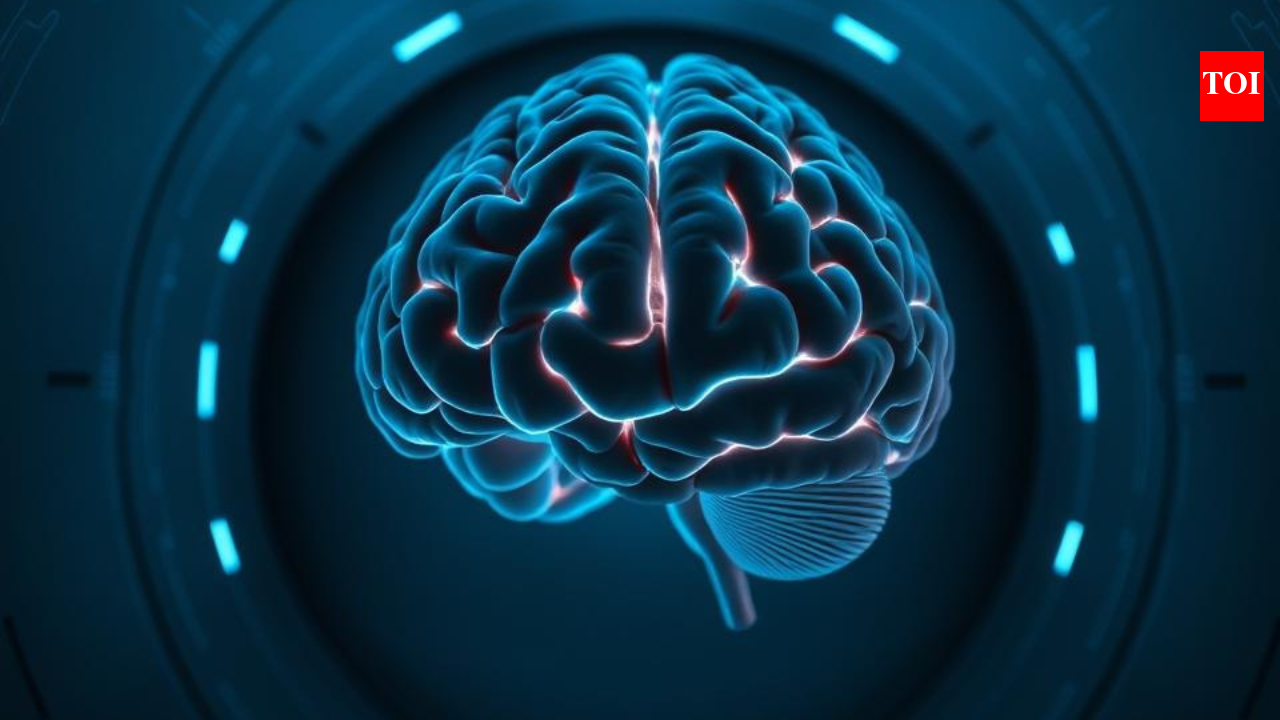
What Neurogenesis Looks Like Across the Lifespan
The renewed understanding of neurogenesis fits within a broader picture of brain plasticity — the brain’s ability to reorganise itself by forming new neural connections throughout life. While the rate of new neuron formation does decline with age, it does not cease altogether in healthy individuals. Some researchers examining post‑mortem hippocampal tissues across the age spectrum found neural progenitor cells — the precursors to new neurons — still dividing and maturing even in very old individuals. This implies that the brain’s capacity for renewal remains alive, and that certain environments or internal conditions might favour its continuation.
However, it’s also clear that this process is not immune to disease. Alzheimer’s and other forms of dementia disrupt the maturation of new neurons, which likely contributes to cognitive decline. In Alzheimer’s patients, newborn neurons were found in much lower numbers, and the cells appeared less able to integrate into the memory networks of the brain.
What This Means for Everyday Health
If the brain can still grow new cells in old age, what can individuals do to support this capacity? While genetic factors seem to influence how much neurogenesis occurs — as seen in the SuperAger research — lifestyle and environmental factors also play significant roles in brain health. Experts often emphasise the importance of:
-
Regular physical activity: Exercise increases blood flow to the brain and has been associated with enhanced neurogenesis.
-
Balanced diet: Nutrient‑rich diets that reduce inflammation and support vascular health may benefit brain function.
-
Adequate sleep: Sleep is crucial for memory consolidation and the brain’s natural repair processes.
-
Mental and social engagement: Lifelong learning, social interaction, and cognitively stimulating activities help maintain neural connections.
These factors may not only improve overall well‑being but could also support the biological mechanisms that keep the brain adaptable and sharp with age.
Implications for Alzheimer’s and Cognitive Decline
Perhaps the most exciting implication of these findings lies in the potential for new diagnostic and therapeutic approaches to neurodegenerative diseases. If neurogenesis declines early in the course of Alzheimer’s — even before clinical symptoms appear — detecting changes in this process could offer a new way to identify risk long before memory loss becomes evident. Moreover, treatments that target the brain’s regenerative systems — not just toxic protein accumulation — might help sustain cognitive functions longer.
A New Hope for Brain Ageing
The discovery that the human brain retains its ability to grow new neurons into old age represents a major shift in neuroscience. It challenges the outdated view that ageing invariably condemns the brain to decline and opens the door for optimism about maintaining mental agility later in life. While not everyone will become a “Super Ager,” understanding the biological, genetic, and lifestyle factors that support brain renewal could help millions preserve memory and cognition.
In essence, the brain’s capacity for growth and adaptation may never fully fade — offering hope that cognitive vitality and memory resilience can be nurtured throughout life.
Read More at : recchiabegue.com
