Technology is transforming the way people live, and smart homes powered by artificial intelligence (AI) are becoming a major part of modern lifestyles. In 2026, smart home technology is advancing rapidly, offering greater convenience, security, and energy efficiency. From voice-controlled devices to automated lighting and intelligent security systems, AI-powered homes are redefining everyday living.
Smart homes allow homeowners to control multiple devices through smartphones, voice assistants, and automated systems. These technologies not only improve comfort but also help reduce energy consumption and improve home security. As more people adopt connected devices, the demand for AI-powered smart homes in 2026 continues to grow. In this article, we will explore how smart homes are evolving and how AI is shaping the future of modern living.
Understanding Smart Homes and AI-Powered Living
Smart homes refer to residential spaces equipped with connected devices and intelligent systems that automate everyday household tasks. These systems use artificial intelligence, sensors, and internet connectivity to communicate with each other and perform tasks automatically.
AI-powered living means that devices can learn user behavior and adjust settings accordingly. For example, smart thermostats can adjust temperature based on daily routines, while smart lighting can automatically turn on when someone enters a room.
Key features of smart homes include:
-
Connected devices controlled through mobile apps
-
Voice assistants that manage household tasks
-
Automated lighting, heating, and appliances
-
AI-powered learning and personalization
These features make smart homes more efficient and comfortable for modern lifestyles.
Growing Popularity of Smart Homes in 2026
In recent years, the popularity of smart homes has increased significantly. In 2026, more households are investing in smart home technology because of its convenience and advanced capabilities. The availability of affordable smart devices has made home automation accessible to a wider audience.
Consumers are increasingly interested in technologies that simplify daily routines and improve home security. Smart home ecosystems allow users to control multiple devices from a single platform, making life easier and more efficient.
Reasons for the rise of smart homes include:
-
Increased adoption of AI and IoT technologies
-
Greater demand for home automation
-
Improved internet connectivity and smart devices
-
Growing awareness of energy efficiency
This rapid growth indicates that smart homes will become a standard feature in modern households.
Role of Artificial Intelligence in Smart Homes
Artificial intelligence plays a crucial role in making smart homes truly intelligent. AI allows devices to analyze data, recognize patterns, and make decisions without human intervention. This capability helps create a personalized living experience for homeowners.
For instance, AI-powered voice assistants can understand commands, answer questions, and control home appliances. Over time, these systems learn user preferences and automate tasks more efficiently.
Examples of AI in smart homes include:
-
Voice assistants controlling home devices
-
Smart thermostats adjusting temperature automatically
-
AI-powered cameras detecting unusual activity
-
Automated lighting based on daily routines
These intelligent systems enhance convenience while improving home functionality.
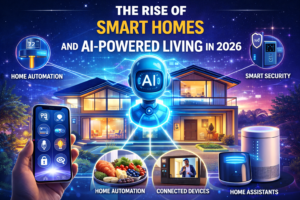
Smart Home Devices Transforming Daily Life
A wide range of smart home devices is available in 2026, making home automation more advanced than ever before. These devices help manage daily tasks efficiently while offering improved comfort and convenience.
From smart speakers to automated kitchen appliances, modern homes are increasingly equipped with connected devices. These technologies work together to create a seamless and integrated living environment.
Popular smart home devices include:
-
Smart speakers and voice assistants
-
Smart lighting and automated switches
-
Smart security cameras and doorbells
-
Smart thermostats and climate control systems
These devices simplify daily routines and improve the overall living experience.
Enhancing Home Security with Smart Technology
Home security is one of the most important benefits of smart home technology. AI-powered security systems provide real-time monitoring and advanced protection features for homeowners.
Smart security devices can detect unusual movements, send instant alerts, and allow homeowners to monitor their homes remotely. Many systems also use facial recognition and motion detection technology to improve security.
Smart security features include:
-
AI-powered surveillance cameras
-
Smart door locks and video doorbells
-
Motion detection sensors
-
Real-time mobile alerts and monitoring
These technologies help homeowners feel safer while protecting their property more effectively.
Energy Efficiency and Sustainability in Smart Homes
Smart homes also contribute to energy efficiency and environmental sustainability. AI-powered systems can monitor energy usage and automatically adjust settings to reduce waste.
For example, smart thermostats regulate heating and cooling based on occupancy patterns. Smart lighting systems turn off automatically when rooms are empty, reducing electricity consumption.
Energy-saving benefits of smart homes include:
-
Reduced electricity consumption
-
Automated lighting and climate control
-
Smart appliances that optimize energy usage
-
Lower utility bills and environmental impact
By improving energy efficiency, smart homes support sustainable living and reduce overall carbon footprints.
Challenges and Concerns of Smart Home Technology
Despite its advantages, smart home technology also comes with certain challenges. Privacy and cybersecurity are major concerns, as connected devices can potentially be vulnerable to hacking.
Another challenge is compatibility between devices from different manufacturers. Some smart devices may not work seamlessly together, which can affect the overall smart home experience.
Common concerns related to smart homes include:
-
Data privacy and cybersecurity risks
-
High initial setup costs
-
Device compatibility issues
-
Dependence on stable internet connectivity
Addressing these challenges will be important for the continued growth of smart home technology.
The Future of AI-Powered Living
The future of smart homes looks extremely promising. As AI technology continues to evolve, smart homes will become even more intelligent and responsive to human needs. Future homes may feature fully automated systems that manage energy, security, and household tasks without manual input.
Advancements in artificial intelligence and the Internet of Things will create more integrated home ecosystems. These innovations will improve efficiency, comfort, and sustainability in everyday life.
Future trends in smart homes include:
-
Advanced AI-powered personal assistants
-
Fully automated home management systems
-
Integration with smart cities and connected infrastructure
-
Greater focus on sustainable and eco-friendly technologies
These developments will shape the future of modern living.
Conclusion
The rise of smart homes and AI-powered living in 2026 represents a major shift in how people interact with technology in their daily lives. Smart home systems offer convenience, improved security, and greater energy efficiency, making them an attractive choice for modern homeowners.
As artificial intelligence and connected devices continue to advance, smart homes will become even more intelligent and accessible. By adopting smart technologies, households can enjoy a more comfortable, secure, and efficient living environment.
The future of home automation is bright, and smart homes are set to play a key role in shaping the next generation of modern lifestyles.
read more : webxcels.com
