Small rooms can feel stylish and comfortable when every design choice has a purpose. In compact spaces, furniture placement, colour, and floor coverage can influence how open the room appears. A rug can play an important role because it connects different elements and gives the space stronger visual structure.
Instead of choosing a rug only for decoration, think about how it affects scale, movement, and balance. The right size and pattern can make a room feel more organised, while the wrong choice can make the same space look crowded.
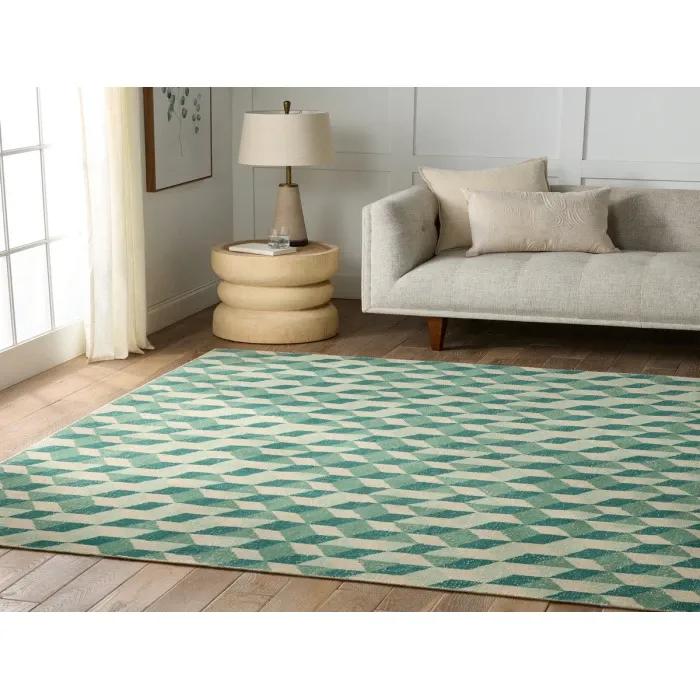
Use Jaipur Living Rugs to Create Visual Continuity
When considering Jaipur living rugs for a smaller room, focus first on proportion. A rug that connects the main furniture pieces can make the layout feel more unified and less fragmented.
In a compact living room, placing the front legs of the sofa and chairs on one rug can create a single seating zone. This helps the eye read the furniture as one group instead of several separate pieces.
Leaving some flooring visible around the rug is also useful. The goal is to create a clean boundary without making the rug look too small.
Choose Colours That Keep the Space Open
Colour can strongly influence how spacious a room feels. Lighter shades often create an airy effect, especially in spaces with limited natural light. Soft grey, cream, beige, muted blue, and gentle earth tones can all work well.
Medium shades can also be effective if they blend naturally with the flooring and furniture.
Helpful approaches include:
-
choosing colours already present in the room
-
using tonal patterns instead of sharp contrast
-
repeating one accent shade in cushions or artwork
-
avoiding too many unrelated colours
-
keeping the overall palette calm
A controlled colour scheme helps the room feel connected and less busy.
Use Pattern to Improve the Sense of Space
Pattern can guide the eye and influence how the room is perceived. Subtle linear designs can make a narrow area feel longer, while small-scale patterns add detail without overwhelming limited floor space.
Bold patterns can still work, but they need balance. If the rug has a strong design, keep larger furniture pieces and wall treatments simple.
In small spaces, one strong focal point often works better than several competing patterns.
Consider KAS Rugs for Multi-Purpose Rooms
In studio apartments and flexible interiors, Kas rugs can help define functional zones without adding physical dividers.
A rug beneath a sofa can mark the living area, while the dining table remains outside that boundary. In a bedroom, a rug can identify a reading corner or desk area without changing the room layout.
This approach keeps the floor visually open. Instead of adding screens or bulky furniture to create separation, the rug provides a softer boundary.
Choose the Right Size Before the Design
One common mistake is assuming a small room always needs a very small rug. A rug that is too small can make furniture look disconnected and may emphasise the limited dimensions of the room.
Measure the space before shopping. Painter’s tape can help you mark possible rug sizes on the floor and compare how each option affects the layout.
In many rooms, a slightly larger rug creates a more complete look because it connects several furniture pieces at once.
Keep Furniture Placement Simple
A rug cannot make a room feel open if the furniture arrangement is too crowded. Keep walking routes clear and avoid using more furniture than the space needs.
In a small living room, one clear seating arrangement usually works better than several scattered pieces. In a bedroom, leaving some open floor around the bed can make the space feel calmer.
The rug should support this layout instead of becoming another obstacle.
Add Texture Without Adding Clutter
Texture adds depth without requiring more decorative objects. A rug can provide a strong textural base, allowing the rest of the room to stay simple.
Combine it with a limited range of materials such as wood, fabric, glass, or metal. This creates interest while keeping the room balanced.
Conclusion
Making a small room feel larger is mainly about creating continuity and reducing unnecessary visual breaks. A well-chosen rug can connect furniture, define useful zones, and guide the eye through the space.
Size, colour, pattern, and placement all matter. When these elements work together, the room feels more intentional and easier to navigate.
By choosing a rug that suits the proportions of the space and keeping the surrounding décor simple, even a compact room can feel open, comfortable, and well-designed.
