Good nutrition and mindful wellness practices are at the heart of a long, vibrant, and healthy life. While genetics and environment play roles in health outcomes, everyday choices related to food, movement, stress management, sleep, and lifestyle habits have tremendous influence on physical and mental well‑being. Nutrition isn’t just about counting calories — it’s about consuming the right balance of nutrients that support immunity, cellular function, hormone balance, cognitive performance, gut health, and lifelong vitality.
Wellness practices extend beyond nutrition to include sleep quality, emotional well‑being, stress management, and physical activity, all of which interact synergistically. For example, poor sleep can negatively affect appetite hormones and food choices, while a balanced diet can support better sleep and mood regulation. This article explores evidence‑based nutrition and wellness practices that empower individuals to build healthier lives from the ground up.
1. Eat a Balanced, Whole‑Foods Diet
A balanced whole‑foods diet forms the foundation of optimal health. Rather than focusing on restrictive or fad diets, emphasis should be placed on nutrient‑dense foods such as vegetables, fruits, whole grains, lean proteins, healthy fats, and legumes that provide essential vitamins, minerals, fiber, and antioxidants. These foods support metabolic health, boost immunity, and reduce the risk of chronic diseases like heart disease, diabetes, and certain cancers.
Whole foods are minimally processed and contain naturally occurring nutrients in forms the body readily recognizes and utilizes. Fiber from plants promotes digestive health and supports beneficial gut bacteria. Consuming a colorful variety of produce ensures a broad spectrum of phytonutrients that protect cells from oxidative stress and inflammation. Building meals around real, unprocessed foods helps stabilize blood sugar and maintain steady energy throughout the day.
2. Prioritize Healthy Fats for Cellular and Heart Health
Healthy fats are vital for brain function, hormone production, energy storage, and absorption of fat‑soluble vitamins (A, D, E, and K). Not all fats are created equal — unsaturated fats found in foods like avocados, nuts, seeds, olive oil, and fatty fish contribute to heart health and cognitive function. These fats help lower “bad” LDL cholesterol while increasing protective HDL cholesterol.
Omega‑3 fatty acids, a specific category of healthy fats found in fish like salmon, mackerel, and flaxseeds, are known for their anti‑inflammatory properties and support for cardiovascular and neurological health. Replacing trans and saturated fats from highly processed foods and certain animal products with unsaturated fats leads to better lipid profiles and reduced inflammation. Including healthy fats in each meal also enhances satiety and improves nutrient absorption.
3. Embrace Lean Proteins to Support Muscle, Immunity, and Recovery
Protein is essential for building and repairing tissues, supporting immune defenses, and maintaining muscle mass — especially important as people age. Lean proteins, such as poultry, fish, eggs, beans, legumes, and low‑fat dairy, provide amino acids without excessive saturated fat. Plant proteins like tofu, lentils, and quinoa also deliver fiber and micronutrients along with protein.
Adequate daily protein intake helps balance energy levels and supports metabolic rate because protein requires more energy to digest compared to carbohydrates and fats. Protein timing matters too — distributing protein intake across meals can maximize muscle protein synthesis, improve satiety, and aid recovery after exercise. Individuals with specific goals, such as athletic performance or weight management, may adjust protein needs accordingly under professional guidance.
4. Hydrate Consistently to Support Every System in the Body
Water is an often overlooked but essential nutrient, playing a role in nearly every bodily function. It aids digestion, nutrient transport, temperature regulation, and joint lubrication. Inadequate hydration can lead to fatigue, headaches, impaired cognitive function, and digestive disturbances. Thirst is not always an accurate indicator of hydration status; many people function in a mild state of dehydration without realizing it.
Daily water intake should be individualized based on factors such as age, activity level, climate, and overall health, but a general aim is to drink consistently throughout the day rather than waiting until thirst occurs. Including water‑rich foods like watermelon, cucumbers, and leafy greens further supports hydration. Limiting dehydrating beverages high in sugar, caffeine, or alcohol improves overall fluid balance and supports metabolic health.
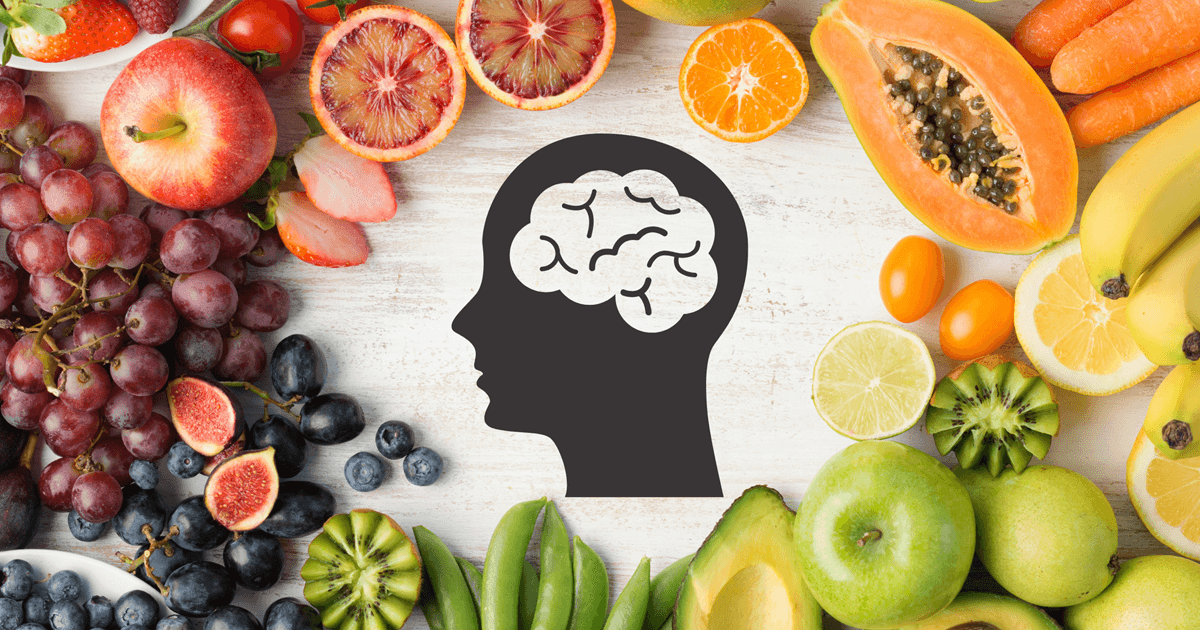
5. Consume a Variety of Fruits and Vegetables for Micronutrients
Fruits and vegetables are rich sources of vitamins, minerals, fiber, and protective plant compounds called phytonutrients. Each color group offers unique benefits — for example, deep‑orange vegetables provide beta‑carotene for eye health, while leafy greens supply iron and folate. The fiber in fruits and vegetables also supports gut health by feeding beneficial microbes and regulating bowel movements.
Diets high in fruits and vegetables are associated with lower risks of chronic diseases, including heart disease, stroke, and some cancers. Aiming for a “rainbow” of plant colors increases the diversity of nutrients and antioxidants you consume. Fresh, frozen, and minimally processed vegetables all contribute to nutritional intake, providing flexibility and convenience in meal planning.
6. Practice Mindful Eating to Improve Digestion and Satisfaction
Mindful eating involves paying full attention to the eating experience — the taste, texture, smell, and sensations of food — as well as internal cues of hunger and fullness. Unlike distracted eating (eating while watching screens or multitasking), mindful eating fosters a healthier relationship with food and helps prevent overeating. It encourages thoughtful food choices and heightens awareness of how different foods make you feel.
Eating slowly supports proper digestion, as chewing thoroughly aids nutrient breakdown and signals to the brain when the stomach is becoming full. Mindful eating also helps recognize emotional triggers for eating, distinguishing between physiological hunger and emotional cravings. Incorporating these practices can improve digestion, satisfaction with meals, and long‑term food choices.
7. Include Probiotic and Prebiotic Foods for Gut Health
A thriving gut microbiome contributes significantly to overall health, influencing immunity, digestion, mood, and even metabolic function. Probiotic foods introduce beneficial live bacteria into the gut, while prebiotic foods provide nourishment for these bacteria. Together, they maintain microbial balance and support gastrointestinal well‑being.
Natural probiotic sources include yogurt with live cultures, kefir, sauerkraut, kimchi, and kombucha. Prebiotic foods such as garlic, onions, leeks, asparagus, and bananas supply dietary fibers that microbes ferment into beneficial by‑products. A diverse diet rich in both probiotics and prebiotics enhances microbial diversity and contributes to regularity, reduced inflammation, and improved nutritional absorption.
8. Get Adequate Sleep to Support Hormone Balance and Recovery
Sleep is a cornerstone of overall wellness and works hand in hand with nutrition. During sleep, the body repairs tissues, consolidates memory, and balances hormones that regulate appetite and metabolism. Chronic poor sleep is linked to increased hunger hormones and cravings for high‑calorie foods, making healthy eating more challenging.
Adults generally require 7–9 hours of quality sleep each night. Establishing a calming evening routine — avoiding heavy meals late at night, limiting screen exposure, and creating a dark, cool sleep environment — improves sleep quality. Prioritizing sleep not only influences energy levels and cognitive function, but also supports long‑term weight management and metabolic health.
9. Manage Stress With Relaxation Practices
Stress affects both mental and physical health, impacting nutrition choices, digestion, sleep quality, and immune function. Prolonged stress increases cortisol levels, which can contribute to inflammation, abdominal fat buildup, and appetite dysregulation. Integrating stress‑management techniques into daily life supports a healthier physical and emotional state.
Effective stress reduction practices include meditation, deep breathing exercises, yoga, outdoor walks, journaling, or engaging in hobbies. Regular, purposeful relaxation offers recovery from daily pressures and contributes to improved blood pressure, mood, sleep patterns, and digestive function. Wellness is not just nutritional — emotional balance is critical to long‑term health.
10. Move Your Body Regularly for Metabolic and Mental Fitness
Nutrition and physical activity work together to support wellness. Regular movement improves circulation, enhances metabolism, promotes cardiovascular health, and aids in weight management. Exercise also triggers the release of endorphins — natural mood enhancers — reducing symptoms of stress and improving overall mental wellness.
Daily activity doesn’t have to mean intense workouts; it can include brisk walking, cycling, swimming, dancing, or strength training. Consistency matters more than intensity alone. Incorporating movement breaks during sedentary days supports blood sugar regulation, muscle health, and energy levels, all of which are connected to nutritional status and metabolic resilience.
11. Practice Moderation With Treats and Indulgences
Balanced nutrition does not mean perfection or elimination of all indulgences. Moderation ensures that the occasional treat or special meal does not become a source of guilt or deprivation. A sustainable wellness approach allows flexibility and enjoyment while maintaining overall health goals.
Structuring meals with nutrient‑dense foods as the foundation allows occasional higher‑calorie or comfort foods without derailing long‑term health patterns. This balanced mindset reduces emotional stress related to dieting, fosters a healthy relationship with food, and supports consistent habits that deliver lasting results.
12. Monitor Progress and Adjust Mindfully
Healthy nutrition and wellness are lifelong journeys, not one‑time achievements. Regular check‑ins with yourself — noting energy levels, mood, digestion, sleep, and physical well‑being — help you understand how your habits are working. Monitoring progress allows you to make adjustments with awareness instead of reaction.
Setting realistic goals, tracking changes gradually, and celebrating incremental victories build confidence and long‑term success. Consulting with registered dietitians, nutrition professionals, or healthcare providers can provide personalized insights and adjustments that respect your unique needs, preferences, and health conditions.
Conclusion: Create a Sustainable Wellness Lifestyle
Nutrition and wellness practices reinforce each other to build a healthier life. Nutrient‑dense foods, adequate hydration, balanced eating patterns, stress management, quality sleep, and regular physical activity together create a resilient foundation for long‑term health. Natural, sustainable habits empower the body to function optimally and adapt to life’s demands.
Wellness is not a destination — it’s a journey of mindful daily choices that support physical, emotional, and mental well‑being. By embracing balanced nutrition and holistic wellness practices, you cultivate a lifestyle that enhances your vitality, protects your health, and allows you to thrive well into the future.
Read more : whitesystemz.com
